How to prepare your Marina del Rey home for fire season
A practical, local guide to fire season preparation in Marina del Rey: defensible space, ember protection, emergency plans, and the mistakes that cost homeowners the most.
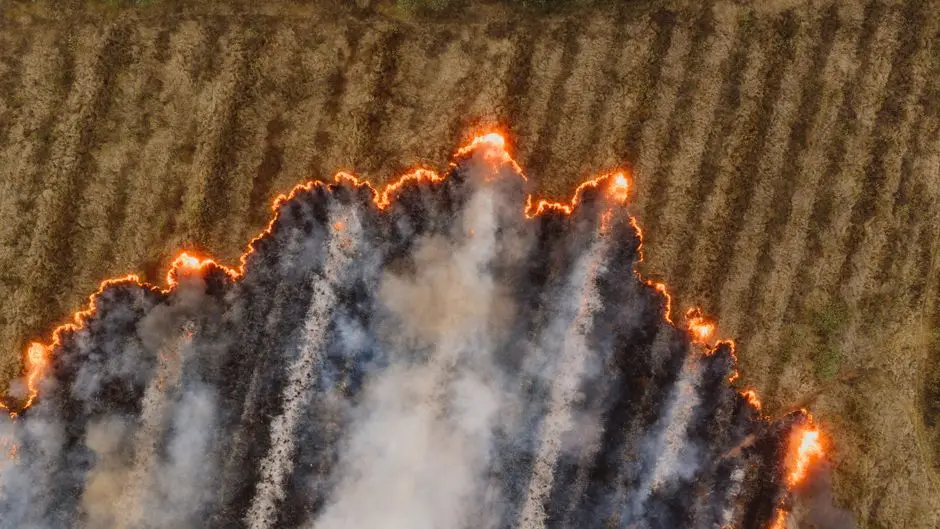
Preparing your Marina del Rey home for fire season means reducing the two things that actually ignite houses: embers and the vegetation that carries them. Clear defensible space within 30 feet, harden vents and windows against ember intrusion, and have a written evacuation plan you have practiced. Fire season preparation in Marina del Rey, CA runs from May through October, with the highest risk in September and October when Santa Ana winds push dry air toward the coast.
This guide walks through what to do this month, what to do each spring, and the mistakes we see most often when we respond to fire damage calls across the neighborhood.
What fire season actually looks like in Marina del Rey
Marina del Rey sits on the water, but that does not make it fireproof. The Palisades and Santa Monica Mountains to the north and the Baldwin Hills to the east are the fuel beds. When Santa Ana winds blow from the interior toward the coast, embers can travel a mile or more and land on roofs, decks, and landscaping.
The local fire season in Marina del Rey, CA is generally May 1 through October 31, though the Los Angeles County Fire Department can extend restrictions based on fuel moisture and wind forecasts. In 2026, the pattern has been a wetter spring followed by a dry, windy fall - which means fine fuels like grass and palm fronds cured out fast by August.
Three local factors raise the risk for homes here:
- Salt-dried vegetation. Coastal plants hold less moisture than inland species, so hedges and palm skirts ignite faster.
- Dense condo and apartment clusters. A fire in one unit can spread through shared attics, balconies, and carports within minutes.
- Wind funnels. Gaps between buildings along Fire Damage Restoration in Via Marina and the harbor act like wind tunnels that push embers into courtyards.
If you want a sense of how quickly a small exterior fire can reach the interior, our team sees it every season: a single ember on a dry doormat or a planter full of dead leaves is enough to start a fire that reaches the wall cavity.
Start with defensible space: the 0-5 and 5-30 foot zones
Defensible space in Marina del Rey, California means managing the first 30 feet around your building in two zones: a noncombustible 0-5 foot zone right against the walls, and a lean, maintained 5-30 foot zone that starves a fire of continuous fuel.
Cal Fire's Zone 0 guidance, which became part of the state's defensible space rules, focuses on the first five feet. That is where embers land and where most home ignitions start.
The 0-5 foot zone (the ember-resistant zone)
- Remove wood mulch, bark, and rubber mats within 5 feet of the foundation. Replace with gravel, pavers, or bare mineral soil.
- Move firewood, lumber, and stored cardboard at least 30 feet away from the structure.
- Trim tree branches so they stay 10 feet from the roof and chimney.
- Clear dead leaves from under decks, stairs, and crawlspace vents.
- Replace wood fence sections that touch the house with a metal gate or a noncombustible panel for the last 5 feet.
The 5-30 foot zone (the lean, clean, and green zone)
- Keep grass mowed to 4 inches or less.
- Space shrubs at least 10 feet apart and remove any that sit under tree canopies.
- Prune palm trees and remove dead fronds - a dry palm skirt is one of the fastest-burning fuels in Southern California.
- Keep irrigation running through October so plants stay hydrated.
If you live in a condo or HOA, the common areas are usually managed by the association, but the patio and balcony are yours. A dry planter box on a third-floor balcony is just as much a fuel source as a hedge.
Harden the house against embers, not just flames
Most homes that burn in a wildfire are ignited by embers, not by a wall of flame. Embers enter through vents, gaps under doors, and broken windows, then ignite furniture, curtains, or insulation from the inside.
Here is what actually helps in Marina del Rey's housing stock, which ranges from 1960s garden-style apartments to newer mid-rise condos:
- Vents. Replace standard attic and crawlspace vents with 1/8-inch mesh ember-resistant vents. The mesh size matters: 1/4-inch mesh lets embers through.
- Windows. Dual-pane tempered glass buys time. Single-pane windows can crack from radiant heat within minutes.
- Doors. Install weather stripping and a solid-core door with a tight seal. A gap under an exterior door is an ember entry point.
- Roof and gutters. Clean gutters twice during fire season. A roof covered in dry leaves is a tinderbox.
- Deck and patio. Store cushions, brooms, and mats inside when wind events are forecast.
If a fire does reach the interior, the damage is rarely limited to what burned. Smoke and soot travel through the HVAC system and settle into every room. That is why we treat Smoke Damage Restoration MARINA DEL REY CA as a whole-house job, not a surface wipe-down.
Build a fire season checklist you will actually use
A fire season checklist for Marina del Rey, CA should be split into two parts: what you do once in the spring, and what you do every time a wind event is forecast.
Spring checklist (do once, by May 1)
- Clear the 0-5 foot zone around the foundation and replace mulch with gravel.
- Inspect and replace attic and crawlspace vents with 1/8-inch mesh.
- Trim trees 10 feet from the roof and remove dead palm fronds.
- Test smoke alarms and carbon monoxide detectors; replace batteries.
- Review your insurance policy and photograph every room for a home inventory.
- Assemble or refresh your emergency kit (see the kit section below).
Red flag day checklist (when Santa Ana winds are forecast)
- Move patio furniture cushions, doormats, and brooms inside.
- Close all windows and doors, including interior doors to slow smoke spread.
- Set the HVAC to recirculate and replace the filter if it is dirty.
- Park in the garage if you have one; if not, park facing out and away from trees.
- Charge phones and keep a battery pack ready.
- Review your evacuation route and confirm a meeting point with your household.
If you live in an apartment, coordinate with neighbors on the red flag day steps. One unit that leaves a dry doormat and a full planter box on the balcony puts the whole building at risk.
Write an emergency fire plan before you need it
An emergency fire plan in Marina del Rey, California needs three things: two ways out of your neighborhood, a meeting point, and a communication plan for people who are not home.
Marina del Rey's geography is a constraint. The neighborhood is bounded by the harbor, the 90 freeway, and Lincoln Boulevard. When a fire starts in the Palisades or the hills, traffic can back up quickly on Lincoln and Washington Boulevard.
Your plan should include:
- Two evacuation routes. For example, one route via Fire Damage Restoration in Lincoln Boulevard heading south, and a second via Admiralty Way toward the 90.
- A meeting point outside the immediate area, such as a friend's place in Culver City or a park in Playa Vista.
- An out-of-area contact who can relay messages if local cell service is overloaded.
- A go-bag for each person and pet, stored near the door.
Practice the plan once a year. A drill takes 15 minutes and exposes the gaps - a stuck window, a missing leash, a car seat that does not fit in the neighbor's car.
What should be in a fire emergency kit in Marina del Rey?
A fire emergency kit in Marina del Rey should cover at least 72 hours of survival and include documents, medications, water, and a way to receive alerts. The kit should be in a go-bag you can grab in under two minutes.
Here is the list we recommend to homeowners and renters:
- One gallon of water per person per day for three days
- Non-perishable food and a manual can opener
- N95 masks (smoke is the most common health hazard during a local fire)
- A battery-powered or hand-crank radio
- Flashlight, extra batteries, and a power bank
- First aid kit and a seven-day supply of prescription medications
- Copies of insurance policies, IDs, and a home inventory saved to a cloud drive and a USB stick
- Cash in small bills
- Pet food, leash, carrier, and vaccination records
- A change of clothes and sturdy shoes
Check the kit every six months. Replace expired food, water, and medications. If you have children, add a comfort item and a written card with your contact information.
Does fire season affect condos in Marina del Rey?
Yes. Fire season affects condos in Marina del Rey, CA more than most residents realize because shared attics, carports, and balconies create pathways for fire and smoke to spread between units.
In a condo or apartment building, your preparation has two layers: what you control inside your unit, and what the HOA or landlord controls in common areas.
What you control:
- Balcony and patio: no dry planters, no stored cardboard, no propane cylinders.
- Inside: keep a fire extinguisher rated for electrical and grease fires in the kitchen.
- Documents: know your renter's or condo policy and keep a copy in your go-bag.
What to ask your HOA or landlord about:
- When the common-area vegetation was last cleared.
- Whether attic vents have ember-resistant mesh.
- Whether the building has a shared evacuation plan and where the assembly point is.
If a fire does start in a neighboring unit, the smoke and water damage can reach your home even if flames never do. We handle Apartment Fire Cleanup MARINA DEL REY CA for renters and owners who need the unit dried, deodorized, and documented for insurance.
Common mistakes to watch out for
The most common fire season mistake in Marina del Rey is treating the water view as a firewall. It is not. Embers do not stop at the harbor.
Other mistakes we see every season:
- Clearing brush but leaving the roof. A clean yard does not help if the gutters are full of dry leaves.
- Using 1/4-inch mesh on vents. Embers pass through. Use 1/8-inch mesh.
- Storing firewood against the house. Move it at least 30 feet away.
- Ignoring the balcony. A dry planter box or a stack of cardboard is a fuel source.
- Waiting for an evacuation order to pack. By then, roads are congested and you will forget essentials.
- Skipping the home inventory. Without photos and receipts, insurance claims take longer and pay less.
One more: do not assume your landlord or HOA has a plan you can rely on. Ask for it in writing, and keep a copy with your emergency documents.
When to call a professional
Call a professional when fire, smoke, or soot has already entered the home - even if the fire was small. Smoke residue is acidic and corrodes metal, etches glass, and leaves odor in insulation and ductwork that household cleaners cannot reach.
Our team at Fire Damage Restoration Marina Del Rey handles the full sequence: emergency board-up, soot and smoke removal, structural drying, odor elimination, and reconstruction. We work directly with insurance adjusters and document every room before, during, and after the work.
If you are not sure whether you need help, call anyway. A 10-minute inspection is cheaper than a missed problem. We also provide Fire Damage Clean Up MARINA DEL REY CA for homeowners who need debris removed and the structure stabilized before repairs begin.
Frequently Asked Questions
How do I prepare my Marina del Rey home for fire season?
Clear the first 5 feet around your home of mulch and combustibles, replace vents with 1/8-inch ember-resistant mesh, trim trees 10 feet from the roof, and build a go-bag. Do the heavy work by May 1 and repeat the red-flag checklist whenever Santa Ana winds are forecast.
What is the fire season in Marina del Rey, CA?
Fire season in Marina del Rey runs roughly May through October, with peak risk in September and October. Santa Ana winds and dry coastal vegetation drive the danger. Los Angeles County can extend restrictions beyond October based on conditions.
How can I protect my home from wildfires in Marina del Rey, California?
Focus on embers, not flames. Use 1/8-inch mesh on all vents, seal gaps under doors, keep gutters clean, and maintain 30 feet of defensible space. For condos, clear your balcony and confirm the HOA maintains common-area vegetation.
What should be in a fire emergency kit in Marina del Rey?
At minimum: 3 days of water and food, N95 masks, medications, a battery radio, flashlight, power bank, first aid kit, copies of documents, cash, and pet supplies. Store it in a go-bag you can grab in under two minutes.
Does fire season affect condos in Marina del Rey, CA?
Yes. Shared attics, carports, and balconies let fire and smoke spread between units quickly. Clear your balcony, know your building's evacuation plan, and ask your HOA when common-area vegetation was last cleared.
Get help with Fire Damage Restoration in MARINA DEL REY
If a fire has already touched your home, do not wait for the smell to fade. We are local, we answer the phone, and we can be at your door the same day. Call Fire Damage Restoration Marina Del Rey at (833) 929-6186 for a fast inspection and a clear plan.